search
tune Filter your result
Filter close
Select filter keyboard_arrow_right
arrow_back Back to filters
spider mites

01.08.2022Ornamentals Advisory Blog

Mites solutions guide

Mites are part of the Arachnida, a major class of arthropods. They are in the subclass, Acari hence the insecticides used to kill these pests are called acaricides. The Acari subclass consists of a wide range of Orders or groups of related mites – the main pest Order is the Prostigmata.Development from egg to adult in mites usually includes a six-legged larva and two or three eight-legged nymphal stages; proto-deuto- and tritonymphs. Adults usually have eight legs. Red spider mite will be discussed in more detail, since it is the most polyphagous and a common pest in the East Africa, UK and worldwide. The most common mites species found in the greenhouse are:• Red spider mite (or two spotted mite) Tetranychus urticae• Carmine spider mite Tetranychus cinnabarinus• Bulb scale mite Stenotarsonemus laticepsSusceptible cropsMany ornamental plants and herbs are prone to mites, including:AlyssumAlstroemeriaRosesGeraniumsChrysanthemumDahliaGerberaImpatiensCarnationsHypericumVerbenaHederasHydrangeaLifecycle&nbsp…
whitefly squ4

25.04.2022Ornamentals Advisory Blog

Tips on whitefly control

Daisy Ngeno

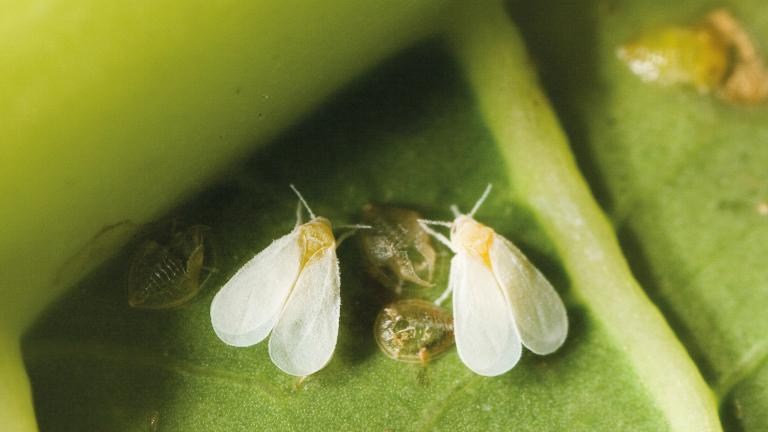
Whiteflies, AleyrodoideaWhiteflies are common pests of a wide range of plants. The three main types of whitefly pests found in Kenya are:Trialeurodes vaporariorium (glasshouse whitefly)Alerodes brassica (cabbage whitefly)Bemisia tabaci (sweet potato or tobacco whitefly) - which is a notifiable pestDamageWhiteflies suck sap from plants and reproduce very fast under favorable conditions. Uncontrolled, whitefly can kill a plant by direct feeding, loss of leaf quality and water loss.HoneydewLarval instars produce vast quantities of honeydew during feeding which spreads on lower leaf surfaces. Up to 2,000 nymphs may be found on a single bean leaf, each capable of producing 20 drops of honeydew in an hour. Sooty molds grow on this sugary solution. Although honeydew helps parasites locate the whitefly, excessive amounts make it difficult for tiny parasitic wasps, such as Encarsia, to walk on these surfaces. Whitefly larvae have developed a feature called a lingula, which they use to flick away annoying levels of…
Aphid Control Advice for Kenyan Flower Growers

12.04.2022Ornamentals Advisory Blog

Understanding and overcoming resistance mechanisms in aphids

Daisy Ngeno

Aphids, AphidoideaAphids reproduce parthenocarpically, without sex. There are many different types of aphids, often with a very specific host. Aphid colonies in rosesThese include:Melon cotton aphid (Aphis gossypii)Potato aphid (Macrosiphum euphorbiae)The distinguishing features of a potato aphid are:antennae as long as the bodylong slender, green siphunculilong, finger-shaped caudaGlasshouse and potato aphid (Aulacorthum solani)The distinguishing features of this aphid are:Green or yellow-orange patch round base of siphunculusLong, slender, tapering siphunculus with dark tipPeach potato aphid (Myzus persicae)The distinguishing features of this aphid are:Converging antennal tuberculesAntennae about as long as the bodyLong siphunculus, slightly swollen, with dark tipThis is the most common and damaging aphid of pot and bedding plants but not common on nursery stock and ornamentals. It is also a widespread and common pest of tomatoes and cucumbers, brassicae, lettuce, potato, sugar beet, oilseed rape and…
false codling moth

21.03.2022Ornamentals Advisory Blog

Be on the lookout for False Codling Moth and other caterpillars

Daisy Ngeno

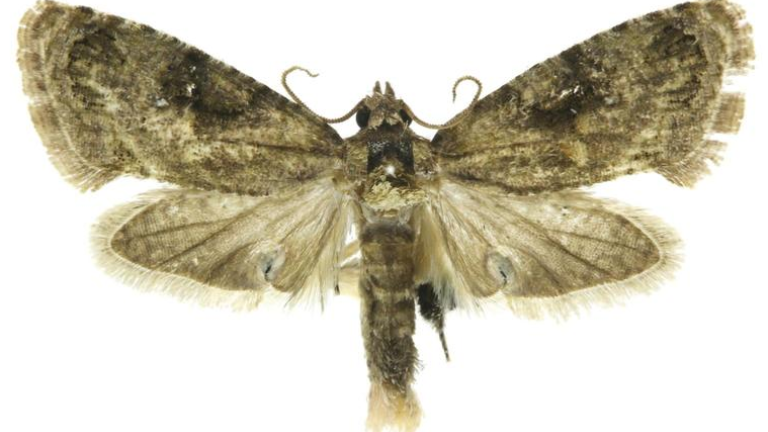
False codling moth also known as Thaumatotibia leucotreta is a native pest to sub-Saharan Africa and is present on more than 70 host plants crops like roses, citrus, peppers (Capsicum spp.), maize etc. making it a challenge to control it. It also occurs on some of the Indian and Atlantic Ocean islands, such as Mauritius and Cape Verde. False codling moth was previously known as Cryptophlebia leucotreta. FCM is an economically important pest for roses as it causes crop damage and is categorized as a quarantine pest by the European Union (EU). False codling moth, adult femaleEconomic impact of FCM interceptionsAlready several rose growers have incurred financial losses due interceptions in the EU of their produce. These interceptions have led to an increase in checks from 5% to 10% on import inspections into the EU. These checks affect all Kenyan rose exporters. An integrated approach by the floriculture sector in dealing with the challenge of FCM is therefore crucial.     External…
botrytis

09.03.2022Ornamentals Advisory Blog

Switch off Botrytis with Switch

Daisy Ngeno

Botrytis blightsThe most common botrytis blights are those caused by the fungi grouped together as Botrytis cinerea. Botrytis fungi attack a very wide range of hosts, both fields grown crops and those grown under protection. They are also responsible for considerable post-harvest losses of many crops during and after transit or storage. Botrytis cinerea is responsible for the grey mould disease in several ornamental crops including roses, carnations, violet, begonia, chrysanthemum, gerbera, dahlia and geranium reducing both quality and yield. In ornamental crops, yield loss can be total because infected cut flowers are rejected at auctions.The majority of losses caused by B. cinerea in cut flowers occur in the packing house and during transport to the market. Botrytis cinerea is aggravated by latency of the petal infection, which may not present visible symptoms at the time of flower harvest.  Although flowers are handled at temperatures between 2 and 10°C after harvest, higher incidence of B. cinerea…
leafminer damage photo

14.02.2022Ornamentals Advisory Blog

Go ahead of Leafminers in your crop this season

Daisy Ngeno

The larvae of certain lepidopterous or hymenopterous insects can cause leaf mines by feeding on the mesophyll tissue middle layer of the leaf. However, the main damage caused by leaf miners are in the Agromyzidae family in the Diptera order (true flies). The most common agromyzid leaf miners of commercial significance are in the genus, Liriomyza and Phytomyza.Liriomyza trifolii – American serpentine leafminerLiriomyza huidobrensis – South American leafminerLiriomyza sativae – Vegetable leafminerPhytomyza syngenesiae – Chrysanthemum leafminerBiology of the pestsAdult leaf miners are small (1.8 mm), yellow and black flies that are about the same size and shape as fruit flies. In contrast to shore flies, leaf miner adults are brightly colored and have clear wings. Females insert their eggs within leaves and puncture the leaf surface with the ovipositor to feed on damaged plant tissue. Larvae have three instars, forming larger mines inside the leaves as they grow. Liriomyza trifolii mines are readily…
thrips square

31.01.2022Ornamentals Advisory Blog

Watch out for thrips on your farm

Daisy Ngeno

There are over 8,000 species of thrips world-wide, belonging to the order of Thysanoptera. They are minute insects, only a few millimetres in length and have long, slender bodies, which enables them to enter even tightly closed flower buds. However, only a few species are serious pests ofcrops. Most pest thrips belong to the family Thripidae.The most significant pest species are:Thrips tabaci, Onion thripsFrankliniella occidentalis, Western Flower Thrips (WFT)Concerns have been raised about the spread of the palm or melon thrips (Thrips palmi) world-wide due to international traffic in plant material. Recently thirty-five outbreaks have been reported from Holland, where orchid flowers from SE Asia are the suspected carriers. It has been recorded on a range of plants including, cucumbers, peppers, aubergines and chrysanthemums. In order to monitor the spread of this ‘new’ pest, it has been designated a notifiable pest.Although resistance to many insecticides has already been reported for Thrips palmi, (as…
flower field

26.01.2022Ornamentals Advisory Blog

Syngenta Crop Protection acquires two bioinsecticides from UK-based biocontrol technology developer, Bionema

Victor Juma

Basel, Switzerland, January 26, 2022.Syngenta Crop Protection AG has acquired two next generation bioinsecticides, NemaTrident® and UniSpore®, from leading biocontrol technology developer, Bionema Limited.NemaTrident® and UniSpore® will provide customers with additional and complementary technologies to effectively and sustainably manage insect pests and resistance.NemaTrident® and UniSpore® will be the first fully owned biocontrols in the Syngenta Professional Solutions portfolio. Syngenta Crop Protection has acquired two next generation bioinsecticides, NemaTrident® and UniSpore®, to combat increasing resistance and a wide range of insects and pests across horticulture and ornamentals, turf amenity and forestry, giving customers even greater choice.Syngenta Crop Protection is acquiring the patents and trademarks for both NemaTrident® and UniSpore®, and the UniSpore® registration dossier, and will have full global development and commercialization rights for the assets. This is an important step in…
spider mites

24.01.2022Ornamentals Advisory Blog

Take control of red spider mites in your crop!

Daisy Ngeno

Mites are part of the Arachnida, a major class of arthropods. They are in the subclass, Acari hence the insecticides used to kill these pests are called acaricides. The Acari subclass consists of a wide range of Orders or groups of related mites – the main pest Order is the Prostigmata.• Red spider mite (or two spotted mite) Tetranychus urticae• Carmine spider mite Tetranychus cinnabarinus• Bulb scale mite Stenotarsonemus laticepsDevelopment from egg to adult in mites usually includes a six-legged larva and two or three eight-legged nymphal stages; proto-deuto- and tritonymphs. Adults usually have eight legs. Red spider mite will be discussed in more detail, since it is the most polyphagous and a common pest in the East Africa, UK and worldwide.Red Spider mites (Tetranychus urticae)DamageMites suck sap from the leaf, causing them to look speckled with yellow marks. Heavily infested plants can be very chlorotic and become stunted and even die as a result of water stress under dry conditions. Heavy infestation…
pm 3

13.12.2021Ornamentals Advisory Blog

Powdery mildew on ornamental crops

Daisy Ngeno

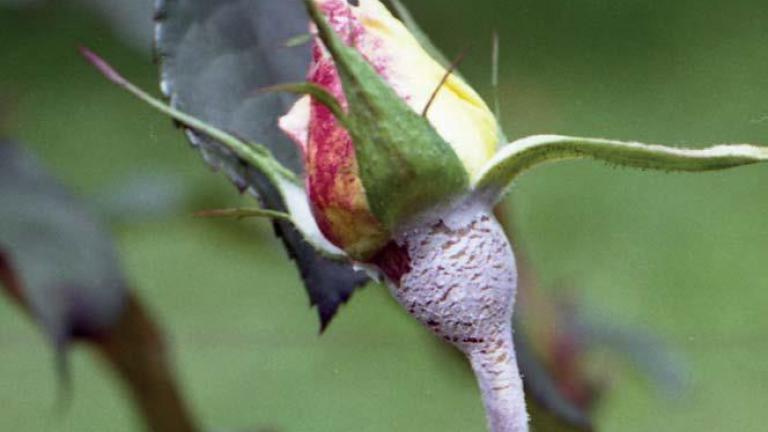
Powdery mildews are among of the most common diseases of ornamentals; many flowers, vegetables, and woody plants are susceptible. Greenhouse crops prone to infection include Roses, African violet, Begonia, Dahlia, gerbera daisy, Hydrangea, roses, Verbena, Kalanchoe, and Poinsettia. Herbaceous perennials particularly susceptible to powdery mildew include Aster, Centaurea, Coreopsis, Delphinium, Monarda, Phlox, Rudebeckia, and Sedum. SymptomsThe disease is easily recognizable as a white to gray powdery growth on leaves and sometimes stems and flowers. It is usually most severe on the tops of leaves but can appear on the undersides as well. Mild cases of powdery mildew may have little or no effect on the plant other than diminishing its aesthetic value; on other instances, infected leaves may become distorted, discolored, and die prematurely. In general, powdery mildews have evolved to avoid killing their hosts because they need living plant tissue to survive. Symptoms…
botrytis

06.12.2021Ornamentals Advisory Blog

Fighting Botrytis in ornamental crops

Daisy Ngeno

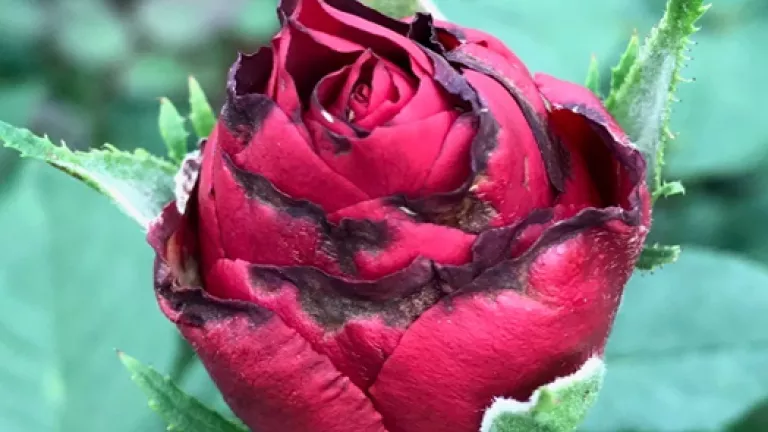
Botrytis cinerea (grey mould) is one of the most widespread and destructive fungal diseases of ornamental crops. It infects over 200 plant species worldwide causing annual losses of $10 billion to $100 billion. Botrytis cinerea is responsible for the grey mould disease in a number of ornamental crops including roses, carnations, violet, begonia, chrysanthemum, gerbera, dahlia and geranium reducing both quality and yield. In ornamental crops, yield loss can be total because infected cut flowers are rejected at auctions.The majority of losses caused by B. cinerea in cut flowers occur in the packing house and during transport to the market. Botrytis cinerea is aggravated by latency of the petal infection, which may not present visible symptoms at the time of flower harvest.  Although flowers are handled at temperatures between 2 and 10°C after harvest, higher incidence of B. cinerea has been observed, mainly during transport and storage.Botrytis cinerea is evident on plant surfaces as grey fluffy mycelium…
downy mildew rose

30.11.2021Ornamentals Advisory Blog

Downy mildew in roses

Daisy Ngeno

Roses are the leading cut flowers in global floriculture trade. Cut roses, either planted outdoors or in plastic greenhouses are susceptible to many phytopathogens. Downy mildew is among the most serious foliar diseases which affects the quality and yield of cut roses during production. Any damage on leaves, flower buds or stems affects quality standards and impact revenues. All rose cultivars grown in East Africa are susceptible to downy mildew, although they can differ greatly in their sensitivity.Downy mildew is caused by the oomycete Peronospora sparsa. It may cause severe losses under plastic greenhouses, but in heated greenhouses the disease may not be severe. Peronospora sparsa infects young leaves and stems at the shoot apex, peduncles, calyxes, sepals and petals. The first signs of the disease are angularly-edged, purple-red spots that evolve into dark brown lesions followed by defoliation of affected plants. In infected flowers and stems, purple brown lesions are common,…