
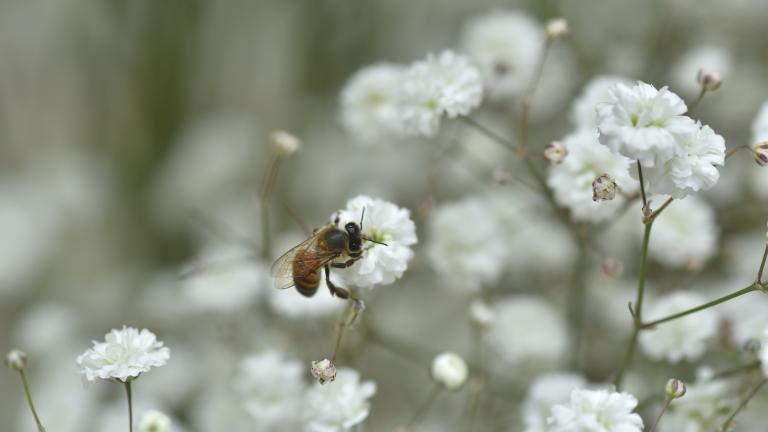
Gypsophila
Understanding gypsophilia
Gypsophila is a genus of flowering plants belonging to the Caryophyllaceae family, with Gypsophila paniculata being the most widely cultivated species. Native to the diverse landscapes of Europe, Asia, and North Africa, these plants have adapted to thrive in specific conditions that gardeners can easily replicate.
The plant's name offers a clue to its preferences—derived from the Greek words meaning "lover of chalk" or "lover of gypsum," Gypsophila naturally gravitates toward alkaline, well-drained soils. This characteristic makes it an excellent choice for gardens with chalky or limestone-rich soil that challenges other plants.
Available in both annual and perennial varieties, Gypsophila typically ranges from 30cm to 120cm in height, depending on the cultivar. The flowers, which bloom primarily during the summer months from June through August, come in delicate shades of white and pink. Their fine, branching stems create that distinctive misty effect that has made Baby's Breath indispensable in cut flower arrangements, dried flower crafts, garden borders, and rock gardens.
Creating the perfect growing conditions
Success with Gypsophila begins with proper planting. The key to thriving plants lies in replicating their natural habitat preferences.
Soil preparation is paramount. Gypsophila demands well-drained soil with an alkaline to neutral pH, ideally between 6.5 and 7.5. If your garden soil tends toward acidity, incorporate garden lime to raise the pH. The plant's intolerance of waterlogged conditions cannot be overstated—poor drainage is one of the primary causes of failure with this otherwise hardy plant.
Location selection should prioritize full sun exposure. Gypsophila needs at least six hours of direct sunlight daily to produce its characteristic profusion of blooms. A sunny, open position with good air circulation will help prevent disease and encourage robust growth.
When planting perennial varieties, space plants 60 to 90cm apart to allow for their mature spread and ensure adequate air circulation. Timing your planting for spring after the last frost has passed will give plants the entire growing season to establish. Alternatively, autumn planting works well for perennials in milder climates.
Ongoing Care and Maintenance
Once established, Gypsophila is remarkably undemanding, though attention to a few key areas will ensure the best performance.
Watering should follow a "less is more" approach. These plants are notably drought-tolerant once their root systems have developed. Water deeply but infrequently, allowing the soil to dry between waterings. Overwatering poses a far greater threat than underwatering, as it can quickly lead to root rot and other fungal issues.
Feeding requirements are modest. Gypsophila is a light feeder that thrives without heavy fertilization. A single application of balanced fertilizer (such as 10-10-10) in spring provides sufficient nutrition for the growing season. Over-fertilizing can actually reduce flowering and produce excessive foliage at the expense of blooms.
Taller varieties may require support as they reach their full height and become laden with flowers. Installing support rings or stakes early in the season, before plants reach full size, prevents damage to stems and maintains the plant's attractive form.
Deadheading—removing spent flowers—encourages continuous blooming throughout the summer. This simple maintenance task redirects the plant's energy from seed production back into flower production, extending your display.
For perennial varieties, autumn pruning involves cutting plants back to ground level once flowering has finished and foliage begins to die back. This tidies the garden and prepares plants for winter dormancy.
Winter care for perennials is minimal in most climates. Hardy to temperatures as low as -20°C (USDA zones 3-9), Gypsophila typically overwinters without protection. In areas with particularly harsh winters, a light mulch provides additional insulation. However, ensuring excellent drainage before winter is more critical than cold protection, as wet winter conditions prove far more damaging than cold temperatures alone.
Common pests
Aphids are perhaps the most frequent pest problem. These small, sap-sucking insects cluster on new growth, causing distortion and weakening plants. Early detection is key—inspect plants regularly, particularly the undersides of leaves and tender shoot tips. Control measures include insecticidal soap, neem oil applications, or encouraging natural predators like ladybirds and lacewings.
Leafhoppers cause stippling damage on leaves and, more seriously, can transmit aster yellows disease. These small, wedge-shaped insects jump away when disturbed, making them easy to identify. Insecticidal sprays provide control, though removing and destroying any infected plants is essential to prevent disease spread.
Slugs and snails target young plants and tender foliage, particularly in damp conditions. Physical barriers such as copper tape, beer traps, or organic slug pellets offer effective control without harming beneficial wildlife.
Common diseases
Crown and root rot represents the most serious threat to Gypsophila. Caused by various soil-borne fungi including Rhizoctonia, Pythium, and Fusarium, these diseases thrive in waterlogged conditions. Symptoms include wilting, yellowing foliage, and eventual plant collapse. Prevention through excellent drainage and avoiding overwatering is far more effective than attempting to treat established infections. Crop rotation in vegetable or cutting gardens helps reduce disease pressure.
Botrytis, or grey mould, appears as fuzzy grey growth on flowers and stems, particularly during periods of high humidity or in overcrowded plantings. Improving air circulation through proper spacing, removing affected plant parts promptly, and avoiding overhead watering all help prevent this fungal disease. Severe infections may require fungicidal treatment.
Aster yellows, a phytoplasma disease transmitted by leafhoppers, causes yellowing, stunted growth, and bizarrely deformed flowers. No cure exists for infected plants, which must be removed and destroyed immediately to prevent spread. Controlling leafhopper populations provides the best prevention.
Powdery mildew manifests as white, powdery coating on leaves, typically appearing in late summer. While rarely fatal, it detracts from plant appearance. Fungicidal sprays, improved air circulation, and watering at the base of plants rather than overhead all help manage this common fungal issue.
Stem rot causes stems to turn brown and collapse at soil level. Like crown rot, this condition results from poor drainage and overcrowding. Prevention through proper cultural practices is essential.
Gypsophila, affectionately known as Baby's Breath, has long been a favorite among gardeners and florists alike. With its delicate, cloud-like clusters of tiny flowers and graceful, airy appearance, this charming plant adds a touch of ethereal beauty to any garden or floral arrangement. Whether you're a seasoned gardener or just starting out, understanding how to grow and care for Gypsophila will help you achieve those stunning displays that make this plant so beloved.